Rats and Rat-Proofing: Myths and Facts You Should Know

Rats and Rat-Proofing: Myths and Facts You Should Know
Rats are among the most troublesome pests in Canada’s cities and rural areas alike. They can damage property, spread disease, and create serious health and safety concerns. Yet, many homeowners still believe in myths about how to prevent or control them. In this article, we’ll separate fact from fiction and share what every Canadian homeowner should know about rat-proofing.
Myth 1: “Rats only show up in dirty homes”
It’s a common misconception that rats only infest unclean places. In reality, rats are opportunistic—they go wherever they can find food, water, and shelter. Even spotless homes can attract them if there are easy entry points or accessible food sources.
Fact: Cleanliness helps, but it’s not enough. Rats can enter through gaps as small as a quarter, damaged vents, or cracks in foundations. Regularly inspect your home’s exterior, basement, and garage for openings, and seal them properly.
Læs også:



Myth 2: “You can handle a rat problem yourself with poison”
In Canada, rodenticide use is regulated, and misuse can harm pets, wildlife, and even children. Many over-the-counter poisons are less effective than people think, and improper use can make rats resistant or spread the problem to neighbouring properties.
Fact: The safest and most effective approach is to contact a licensed pest control professional. They can identify the source of the infestation and use approved methods that minimize environmental and health risks.
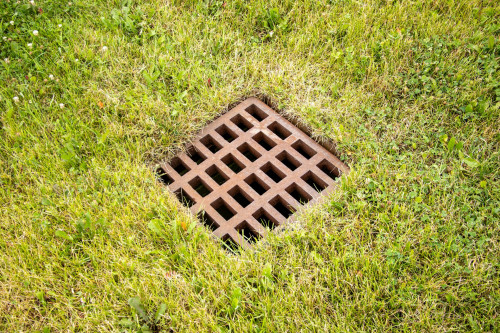
Myth 3: “Rats can’t come up through toilets”
Unfortunately, they can. Rats are excellent swimmers and can travel through sewer pipes, occasionally surfacing in toilets—especially in older buildings or areas with damaged plumbing.
Fact: Installing a one-way sewer valve or backwater valve can prevent rats from entering through plumbing. Many Canadian municipalities recommend or even require these devices in flood-prone areas, and they also help protect against sewer backups.
Myth 4: “Rats only live in sewers”
While sewers are a common habitat, rats are highly adaptable. They can nest under decks, in sheds, compost bins, garages, and even attics. Once they find a reliable food source—like birdseed, pet food, or garbage—they’ll settle nearby.
Fact: Watch for signs such as droppings, gnaw marks, burrows, or greasy rub marks along walls. Early detection is key to preventing a full-blown infestation.
Myth 5: “Having a cat will keep rats away”
Cats may catch mice, but rats are larger, more aggressive, and often too intimidating for most cats to tackle. While a cat’s presence might deter rats temporarily, it won’t solve the problem.
Fact: The only reliable way to keep rats away is to eliminate their access points and food sources—not to rely on pets as pest control.
How to Rat-Proof Your Home
Preventing rats is far easier—and cheaper—than getting rid of them once they’ve moved in. Here’s what you can do:
- Inspect your foundation and walls: Seal cracks, holes, and gaps around pipes, vents, and utility lines.
- Secure garbage and compost: Use bins with tight-fitting lids and avoid leaving bags on the ground.
- Manage outdoor food sources: Clean up fallen fruit, store birdseed in sealed containers, and feed pets indoors.
- Maintain your yard: Trim vegetation near walls and fences, and remove clutter where rats could hide.
- Check plumbing and drains: Ensure floor drains, sewer lines, and sump pump outlets are intact and fitted with screens or valves.
What to Do If You See a Rat
If you spot a rat or signs of one, act quickly. Contact your local pest control service or municipal public health department. Many Canadian cities, including Toronto, Vancouver, and Montreal, have programs to help residents deal with rodent issues.
Avoid using homemade poisons or traps that could harm other animals. Instead, focus on identifying how the rats got in and addressing the root cause.
Myths Can Be Costly
Believing that “it won’t happen to me” or “my house is too clean for rats” can lead to expensive damage and health risks. By understanding the facts and taking preventive action, you can protect your home, your family, and your neighbourhood.
Rats are part of the urban ecosystem, but they don’t belong inside our homes. With awareness, maintenance, and proper rat-proofing, you can keep them out—and keep your living space safe and healthy.
Læs også: