Properly Placed Well – The Key to an Efficient Sewer and Drainage System


Properly Placed Well – The Key to an Efficient Sewer and Drainage System
A reliable sewer and drainage system starts with careful planning – and the placement of wells plays a crucial role in that process. Wells are not just access points to pipes and lines; they are essential for ensuring that water flows away from your home efficiently and that the system can be maintained without unnecessary hassle. A poorly placed well can lead to blockages, flooding, and costly repairs. Here’s why proper placement matters and how to make sure your drainage system performs at its best.
What Is a Well – and Why Does It Matter?
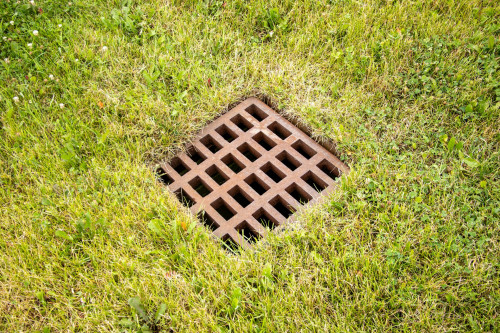
In the context of sewer and drainage systems, a well (often called a maintenance hole or inspection chamber) is a point where pipes meet and where professionals can access the system for cleaning, inspection, or repair. There are several types of wells – including inspection wells, catch basins, and sump wells – each serving a specific purpose.
Wells make it possible to monitor water flow, detect blockages, and identify damage early. Without properly placed wells, maintenance becomes difficult, and small issues can quickly escalate into major problems.
Proper Placement – More Than Just a Practical Concern
Placing wells correctly is about more than convenience. It requires consideration of function, terrain, and accessibility. A good rule of thumb is to install a well at every change in direction, at pipe junctions, and where the private system connects to the municipal sewer line.
Wells should also be easy to access for inspection and cleaning. Avoid covering them with paving stones, decks, or landscaping. Many homeowners only discover the problem when a plumber needs to clean the line – and the well is hidden under a patio or flower bed.
Common Placement Mistakes
Even small errors in placement can have major consequences. Here are some of the most common mistakes:
- Well set too high or too low – disrupts the natural slope of the pipes and can cause water to back up.
- Missing well at a change in direction – makes cleaning difficult and increases the risk of blockages.
- Inaccessible well – if it’s buried or covered, maintenance becomes complicated and costly.
- Wrong type of well – not all wells serve the same purpose; for example, a catch basin should be placed where debris and sand accumulate, while an inspection well should provide access for cleaning.
Avoiding these mistakes requires both planning and knowledge of local plumbing standards.
Regulations and Responsibility – Who Can Do the Work?
In Canada, sewer and drainage work must comply with provincial and municipal building codes. In most cases, only licensed plumbers or drainage contractors are permitted to install or modify sewer systems, including the placement of wells. As a homeowner, you are responsible for ensuring that the system on your property functions properly, so it’s important to understand the basics.
A licensed professional can assess the terrain, soil conditions, and slope to determine the optimal placement of wells. This ensures that your system meets both legal requirements and practical needs.
Maintenance – Keeping Your Wells in Good Condition
Even the best-placed well requires regular maintenance. Check periodically that the cover is secure and that there are no signs of blockage or unpleasant odours. An annual inspection – often done alongside sewer cleaning – can prevent many issues.
If you have catch basins, make sure they are emptied regularly so that sand, leaves, and debris don’t obstruct water flow. A small amount of maintenance can save you from major repair costs later.
Læs også:


An Investment in Safety and Functionality
Properly placed wells are not just a technical necessity – they are an investment in a safe, efficient, and long-lasting drainage system. They make it easier to detect and fix problems early, protect your property from flooding, and ensure that water is directed away as it should be.
When planning or upgrading your sewer system, it’s worth consulting a licensed plumber or drainage specialist about well placement. It’s a small detail that can make a big difference in both performance and peace of mind.
Læs også: