From Craftsmanship to Design: The Influence of Tradition on Modern Flooring

From Craftsmanship to Design: The Influence of Tradition on Modern Flooring
Floors are more than just surfaces we walk on. They set the tone for a room’s atmosphere, function, and style – and they tell a story about how tradition and innovation can coexist. Across Canada, homeowners, designers, and builders are rediscovering the value of craftsmanship, drawing inspiration from time-honoured techniques while embracing modern materials and sustainable practices. From wide-plank hardwood to patterned tiles and eco-friendly composites, the past continues to shape the way we design our spaces today.
The Legacy of Craftsmanship in Modern Materials
Historically, flooring was a product of local resources and skilled hands. Early Canadian homes featured hand-hewn pine or oak boards, polished stone, or handmade tiles – each reflecting the region’s natural materials and the artisan’s touch. Today, that same respect for authenticity is returning, as designers seek materials that feel genuine and enduring.
Hardwood remains a favourite, but with a modern twist. Traditional solid planks are now complemented by engineered wood that offers greater stability in Canada’s varied climate. Finishes such as natural oils and low-VOC waxes highlight the wood’s grain while protecting it from wear. These updated methods preserve the warmth and character of traditional floors while meeting contemporary standards for durability and environmental responsibility.
Patterns and Heritage Reimagined
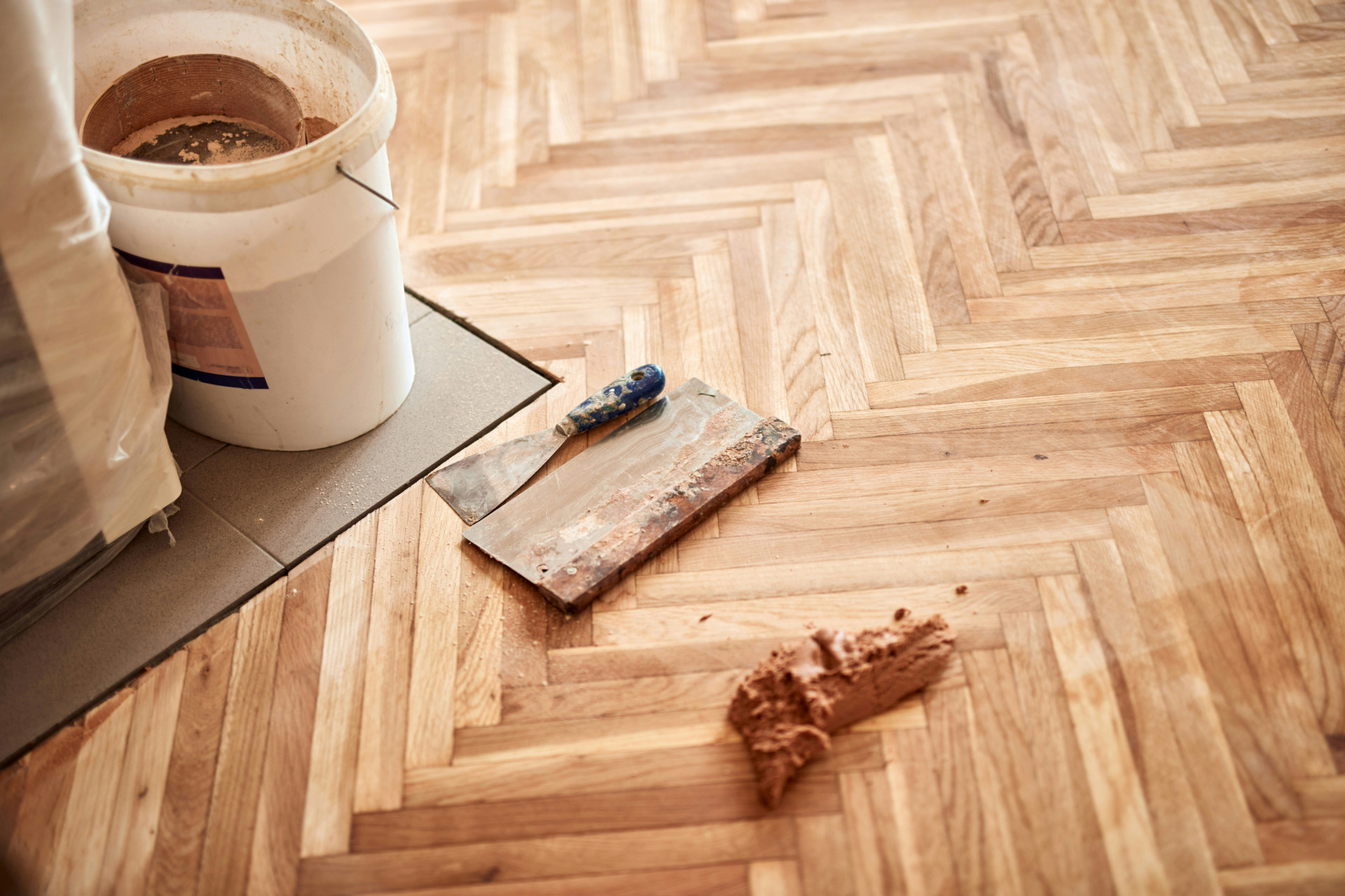
Many of today’s most stylish flooring patterns have deep historical roots. Herringbone, chevron, and basketweave designs – once painstakingly laid by hand in European estates and early North American homes – are now being revived with precision-cut boards and advanced installation techniques. The result is a look that feels both classic and current.
In modern Canadian interiors, these patterns are often paired with minimalist furniture and neutral palettes, creating a balance between old-world charm and modern simplicity. Whether in a Toronto loft or a Vancouver heritage home, patterned floors bring a sense of craftsmanship and continuity that transcends trends.
Sustainability as a Modern Form of Craft
Sustainability has become a defining principle of contemporary design, but its roots lie in traditional craftsmanship. In the past, materials were used thoughtfully – floors were repaired, refinished, and passed down through generations. That mindset is returning, as Canadians increasingly value longevity and responsible sourcing.
Reclaimed wood, cork, and bamboo are popular choices that combine ecological awareness with aesthetic appeal. These materials not only reduce waste but also bring warmth and texture to modern interiors. Locally produced flooring, made from Canadian hardwoods or recycled materials, supports regional economies and reduces transportation emissions – a modern echo of the old practice of building with what the land provides.
Design That Tells a Story
A floor can be a design statement, but it can also be a narrative – a reflection of place, history, and craftsmanship. Architects and interior designers are increasingly treating flooring as a central design element rather than a neutral backdrop. A reclaimed maple floor might tell the story of a century-old barn, while hand-finished tiles can evoke the artistry of traditional workshops.
Choosing a floor with traditional roots means embracing a piece of cultural heritage. It’s a way of connecting the past to the present, of grounding modern living in materials and methods that have stood the test of time.
Læs også:


From Workshop to Home
Even in an age of industrial production, the human touch remains essential. Many Canadian flooring manufacturers collaborate with artisans to preserve traditional techniques – hand-scraping, wire-brushing, or staining wood to create unique textures and tones. These details give each floor a sense of individuality and authenticity that machines alone cannot replicate.
By blending technology with tradition, modern flooring achieves a rare balance: it is functional, beautiful, and sustainable, yet still carries the soul of craftsmanship.
Tradition as Inspiration for the Future
When we talk about modern flooring today, we are also talking about values – quality, sustainability, and respect for materials. The traditions of craftsmanship remind us that good design takes time and that every material has a story worth honouring. By building on the techniques of the past, we can create floors that are not only visually striking but also meaningful and enduring – floors that will support life, literally and figuratively, for generations to come.
Læs også: