What Does Proper Phase Distribution Mean – and Why Is It Important in Electrical Installations?

What Does Proper Phase Distribution Mean – and Why Is It Important in Electrical Installations?
When it comes to electrical installations in homes and buildings, the term phase distribution often comes up. It may sound technical, but it’s really about something quite fundamental: how electrical load is shared among the three phases in a power system. Proper phase distribution is essential for safety, efficiency, and the longevity of both installations and equipment. Here’s what it means – and why it matters in Canadian electrical systems.
What Is a Phase – and Why Do We Have Three?
In Canada, most residential and commercial buildings receive three-phase alternating current (AC) from the utility grid. This means there are three conductors (phases), each carrying current that peaks at different times. The time offset between the phases allows for more efficient power transmission and smoother operation of heavy electrical loads.
In a typical home, most outlets and lighting circuits use only one phase, while larger appliances – such as electric ranges, dryers, heat pumps, or EV chargers – may use two or three phases to draw more power. That’s where proper phase distribution becomes important.
Læs også:


Why Is Proper Phase Distribution Important?
When electrical loads are not evenly distributed across the three phases, the system becomes unbalanced. This imbalance can lead to several issues:
- Overloading one phase: If too many devices are connected to the same phase, that phase can become overloaded while the others remain underused. This can cause breakers to trip and increase wear on the electrical system.
- Energy losses and inefficiency: Uneven loading means the power system isn’t operating at its best efficiency. The result can be higher energy losses and, ultimately, higher electricity bills.
- Electrical noise and interference: Sensitive electronics can be affected by voltage fluctuations caused by phase imbalance. This may lead to flickering lights, audio interference, or unstable operation of equipment.
- Reduced lifespan of components: Overloaded circuits and unbalanced currents can stress wires, breakers, and panel components, increasing the risk of faults and the need for repairs.
In short, proper phase distribution is about maintaining balance so that electricity flows smoothly and safely throughout the system.
How to Ensure Proper Phase Distribution
In Canada, ensuring correct phase distribution is the responsibility of a licensed electrician. When a new installation is set up or an existing one is expanded, the electrician will:
- Distribute loads evenly across the three phases in the electrical panel.
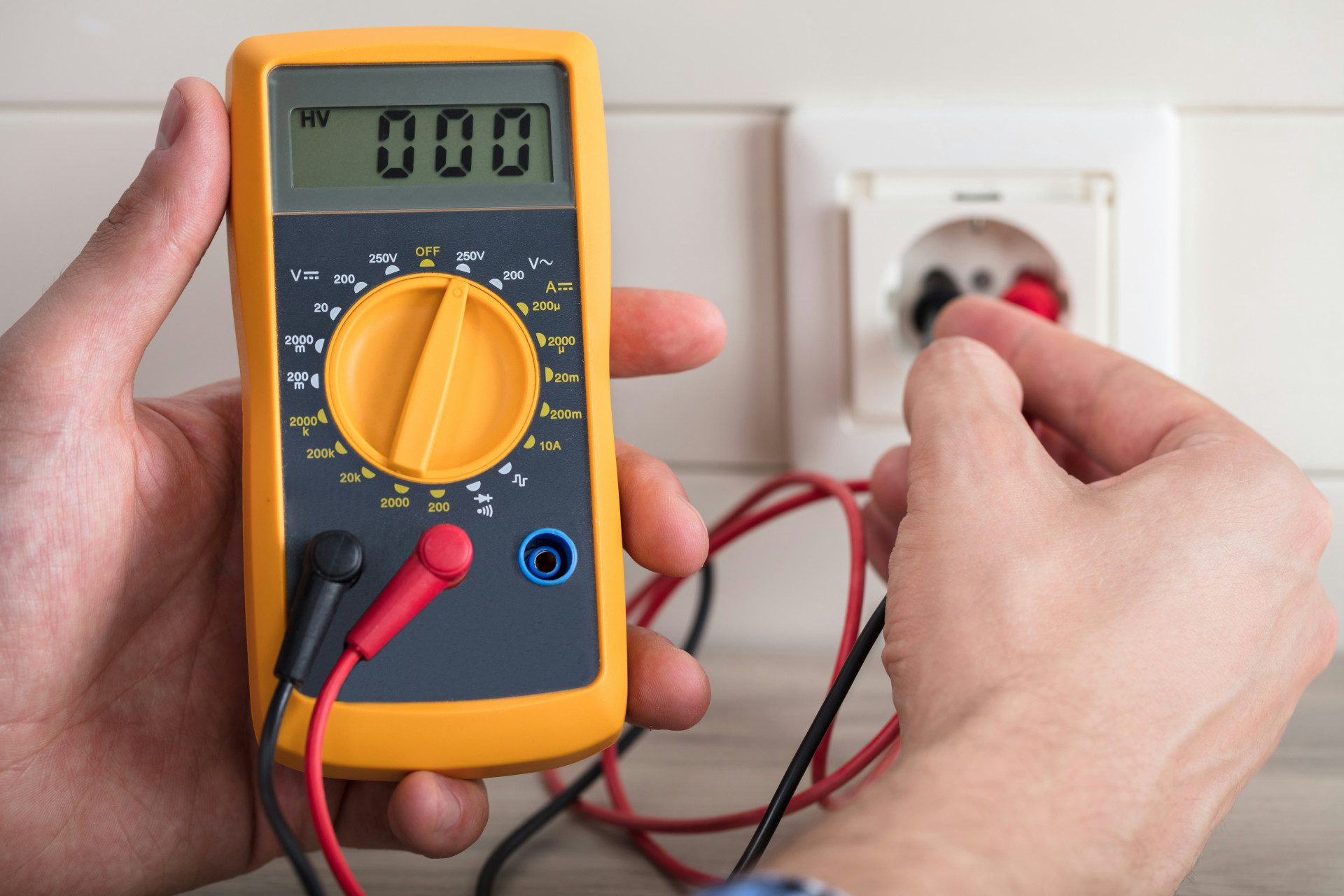
- Measure current draw on each phase to confirm that none are overloaded.
- Adjust the setup when new high-demand devices are added – such as an EV charger, heat pump, or electric water heater.
Modern systems may also include smart meters or monitoring devices that automatically detect imbalances and alert homeowners or technicians when adjustments are needed.
Everyday Examples
Imagine a home where the electric range, clothes dryer, and EV charger are all connected to the same phase. When all three run at once, that phase becomes heavily loaded while the other two are barely used. The result could be tripped breakers or overheating in the panel.
If the loads are properly distributed – for example, the EV charger on one phase, the range on another, and the dryer on the third – the system runs more smoothly, and the risk of faults is greatly reduced.
Phase Distribution and the Future of Electricity Use
As Canada moves toward greater electrification – with more electric vehicles, heat pumps, solar panels, and battery storage systems – proper phase distribution is becoming even more critical. These technologies draw or supply significant amounts of power, and installations must be designed to handle them safely and efficiently.
In the near future, smart energy management systems will be able to automatically balance phases in real time, optimizing load distribution and supporting a more stable and sustainable power grid.
A Small Detail with a Big Impact
While phase distribution might seem like a technical detail, it’s one of the key factors behind a safe and efficient electrical installation. Balanced loads mean fewer faults, lower energy losses, and longer equipment life.
That’s why it’s always a good idea to have a qualified electrician check your phase distribution – especially if you’re adding new, power-hungry devices. It’s a small step that can save you money, improve safety, and keep your electrical system running smoothly for years to come.
Læs også: