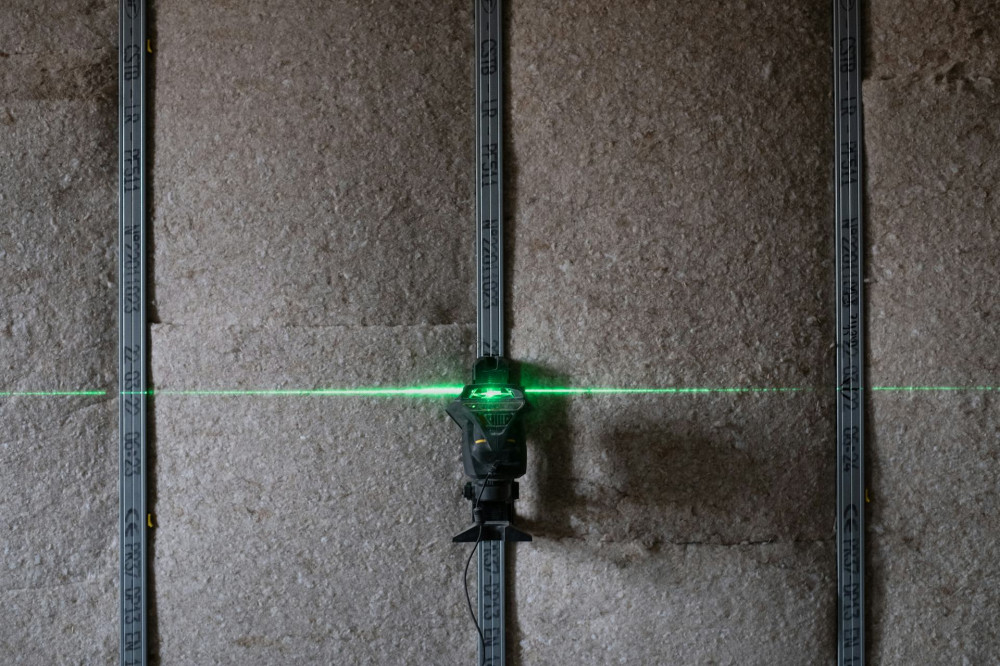
Upgrade Your Insulation with Modern Materials

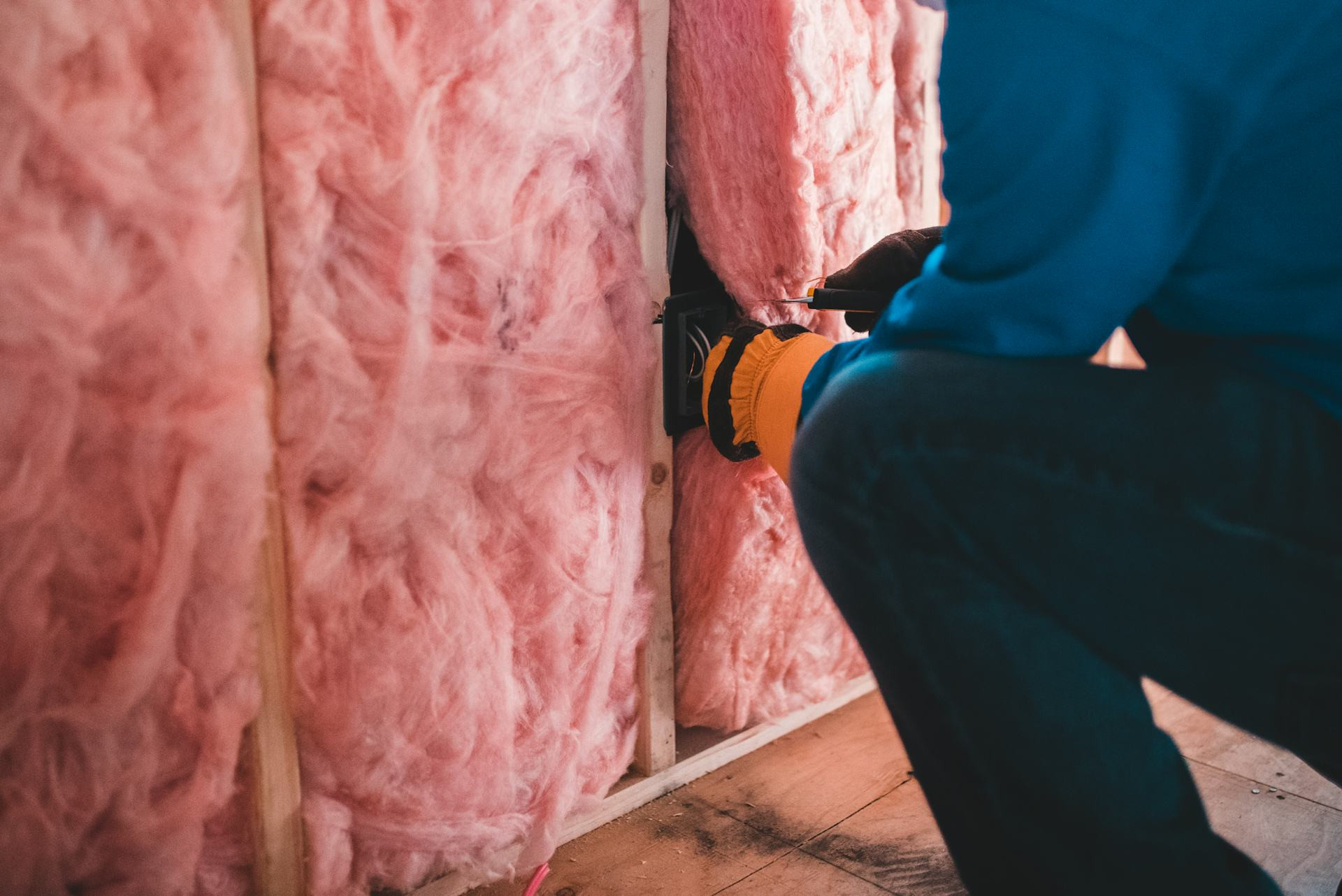
Upgrade Your Insulation with Modern Materials
Good insulation is the key to an energy-efficient and comfortable home. With rising energy costs and growing awareness of sustainability, many Canadian homeowners are choosing to upgrade their insulation—not only to save money but also to reduce their environmental footprint. Thanks to new materials and technologies, it’s now possible to achieve far better results than in the past. Here’s an overview of modern insulation solutions that can bring your home up to today’s standards.
Why Upgrade Your Insulation?
Insulation isn’t just about keeping your home warm in winter. Effective insulation also helps keep it cool in summer, reduces drafts, and improves indoor air quality. In Canada’s diverse climate—from the cold winters of the Prairies to the damp coastal regions—proper insulation can make a huge difference in comfort and energy use. Depending on your home’s age and condition, upgrading insulation can cut energy consumption by 30–50%.
Additional benefits include:
- Extending the life of your home by preventing moisture and mold.
- Increasing property value and improving your EnerGuide rating.
- Qualifying for federal or provincial energy retrofit incentives.
Modern Materials – Beyond Fiberglass
Traditional fiberglass and mineral wool remain popular, but the market now offers a range of advanced alternatives with unique advantages.
1. Polyisocyanurate (PIR) and Polyurethane (PUR) Boards
These high-performance foam boards have very low thermal conductivity, meaning you can achieve excellent insulation with thinner layers. They’re ideal for roofs, basements, and exterior walls where space is limited.
2. Cellulose Insulation
Made from recycled paper treated for fire and pest resistance, cellulose is a sustainable choice that provides excellent thermal and sound insulation. It’s blown into wall cavities and attics, making it especially suitable for older homes undergoing retrofits.
3. Wood Fibre Insulation
A natural material with strong thermal and acoustic properties, wood fibre is available as batts or loose-fill. It’s popular in eco-friendly and low-energy homes and helps regulate indoor humidity.
4. Vacuum Insulation Panels (VIPs)
Among the most advanced options available, VIPs offer extremely low heat transfer and are used where space is at a premium—such as in exterior retrofits or balcony walls. They deliver top performance but come at a higher cost.
5. Aerogel
Originally developed for aerospace applications, aerogel is an ultra-light material with exceptional insulating power. It allows for very thin insulation layers, making it ideal for heritage buildings or tight spaces, though it remains one of the pricier options.
Choosing the Right Solution
The best insulation for your home depends on several factors: the building’s age, structure, budget, and environmental goals. A certified energy advisor can perform an energy audit and recommend where upgrades will have the greatest impact.
Key areas to consider:
- Attic and roof – Up to 25–30% of heat loss occurs here.
- Exterior walls – Cavity or exterior insulation can yield major savings.
- Basement and floors – Often overlooked, but crucial for comfort and moisture control.
Læs også:



Sustainability and Recycling
Many modern insulation materials are designed with sustainability in mind. Recycled content, low embodied carbon, and recyclability at end of life are now key considerations. Materials like cellulose, hemp, and wood fibre not only insulate effectively but also contribute to a healthier indoor environment.
Manufacturers are also improving traditional materials by reducing production energy use and incorporating recycled glass or plastics into their products.
Professional Installation Pays Off
While some insulation projects can be DIY-friendly, professional installation is recommended for larger or more complex jobs. Proper installation ensures maximum performance and prevents issues like thermal bridging or moisture buildup. Certified contractors can also help you meet building code requirements and qualify for government rebates.
An Investment in the Future
Upgrading your insulation is one of the most effective ways to improve both comfort and efficiency in your home. With today’s modern materials, you can create a living space that’s energy-smart, sustainable, and comfortable year-round. It’s an investment that pays off—for your wallet, your home, and the planet.
Læs også: