Keep Track of Your Tools: How to Organize the Pockets in Your Work Overalls

Keep Track of Your Tools: How to Organize the Pockets in Your Work Overalls
A good pair of work overalls is like a portable toolbox – everything you need is right there with you. But if your pockets are cluttered or you’re constantly searching for the right screwdriver, the job can quickly become frustrating. A well-organized set of pockets saves time, boosts efficiency, and reduces the risk of losing tools. Here’s a practical guide to help you get your overalls in order and create a system that works for your daily routine.
Know Your Pockets – and Their Purpose
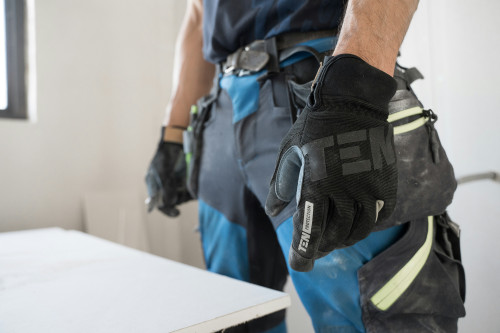
Most modern work overalls come with a variety of pockets: chest pockets, thigh pockets, back pockets, tool loops, and smaller compartments for pencils, measuring tapes, or your phone. Before you start filling them, take a moment to get familiar with your overall’s layout.
- Chest pockets are perfect for small items you use often – like a pen, notepad, or phone.
- Thigh pockets are great for medium-sized tools such as pliers, a utility knife, or a tape measure.
- Back pockets can hold gloves, rags, or other items you need quick access to.
- Tool loops and specialized pockets are designed for hammers, nails, or screws – use them as intended to keep the weight balanced.
Once you know where everything belongs, it becomes easier to work systematically and avoid overstuffing your pockets.
Læs også:

Create a Consistent System
Good organization is all about habits. If you always return each tool to the same pocket, you’ll never waste time searching. Start by identifying which tools you use most often and place them where they’re easiest to reach.
A simple way to think about it is in work zones:
- Upper body (chest and torso): small items and documents.
- Midsection (hips and thighs): frequently used tools.
- Lower body (legs and knees): spare parts, screws, or less-used gear.
Once you’ve established a system, it quickly becomes second nature – even when switching between different tasks or job sites.
Avoid Overloaded Pockets
It’s tempting to fill every pocket, but too much weight can make your overalls uncomfortable and restrict movement. Overloaded pockets can also wear out the fabric faster and throw off your balance.
The key is to prioritize: What do you need on you all the time, and what can stay in your toolbox, truck, or workshop? Keep only the essentials within reach – the rest can wait until you need it. This makes your workday lighter, safer, and more efficient.
Use Pockets Smartly – and Think About Safety
If you’re working on scaffolding, ladders, or in tight spaces, make sure your tools can’t fall out. Use pockets with zippers, Velcro, or snap closures for small items, and secure larger tools with clips or lanyards.
When working around electrical systems, avoid keeping metal objects in your upper pockets – they can pose a safety risk if you get too close to live wires.
Also, pay attention to balance: distribute the weight evenly across your body to prevent strain on your back or hips.
Clean and Check Your Pockets Regularly
A well-maintained pair of overalls lasts longer – and so do the pockets. Empty them at the end of each day, remove dust, screws, and debris, and check for holes or wear. A quick repair can prevent tools from falling out or damaging the fabric.
If you work in environments with oil, paint, or dust, it’s worth having more than one pair of overalls so you always have a clean set ready. It not only looks more professional but also feels more comfortable.
Adapt to Your Trade
There’s no single “right” way to organize your pockets – it depends on your trade and personal habits. A carpenter’s needs differ from those of an electrician, mechanic, or HVAC technician. Some prefer many small pockets, while others like fewer but larger ones.
Consider whether you need extra tool pockets, detachable pouches, or a belt attachment. Many Canadian workwear brands offer modular systems that let you customize your overalls for specific tasks or seasons.
Efficiency Starts in Your Pockets
Once you’ve found a system that works, you’ll notice how much smoother your workday becomes. You’ll save time, avoid frustration, and maintain a steady workflow. An organized pair of overalls isn’t just about neatness – it’s a tool in itself.
So next time you pull on your overalls, take a moment to check your pockets. That small bit of organization might be the difference between a hectic day and a productive one.
Læs også: