Insulate the Floor from Below: Practical Solutions from the Basement or Crawl Space

Insulate the Floor from Below: Practical Solutions from the Basement or Crawl Space
Cold floors can make even the coziest home feel uncomfortable. In many Canadian houses—especially older ones—insufficient insulation beneath the floor allows heat to escape downward, increasing energy use and heating costs. Fortunately, you can often improve comfort and efficiency by insulating the floor from below, either through the basement or the crawl space. Here’s a practical guide to how it’s done and which solutions best suit your home.
Why Insulate the Floor from Below?
Because warm air rises, floor insulation is sometimes overlooked. But a poorly insulated floor allows cold air and drafts to seep up from below, while valuable heat from the rooms above escapes downward. The result: chilly feet, higher heating bills, and a home that feels damp or uncomfortable.
By insulating the floor from below, you can:
- Improve comfort – floors feel warmer and drafts are reduced.
- Save energy – less heat loss means lower heating costs.
- Prevent moisture issues – proper insulation helps keep basements and crawl spaces dry.
Insulating from the Basement
If your home has a full basement, this is often the easiest place to add insulation. The insulation is installed directly under the floor structure—either between joists or on the underside of a concrete slab.
Step-by-Step
- Inspect the structure – determine whether the floor above is wood-framed or concrete; this affects your approach.
- Choose insulation material – mineral wool, rigid foam boards (such as polyisocyanurate or EPS), or spray foam are common options.
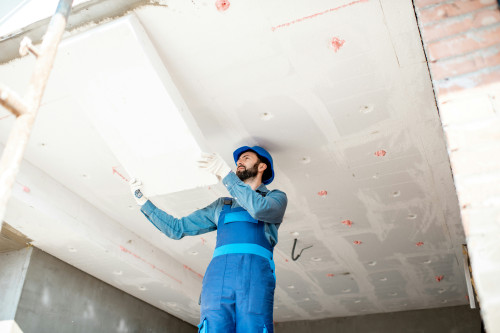
- Install the insulation – fit batts between joists or fasten rigid boards to the underside of the floor.
- Add a vapour barrier and finish – in some cases, a vapour barrier is needed to control moisture, and the insulation can be covered with drywall or panels for a clean look.
Advantages
- Easy access to the structure.
- No need to disturb finished floors above.
- Can be done without disrupting daily life.
Disadvantages
- Requires a dry, well-ventilated basement.
- Slightly reduces ceiling height.
Insulating from the Crawl Space
Homes with crawl spaces often lose significant heat through the floor above. Although access can be tight, insulating this area can make a big difference in comfort and energy efficiency. You can insulate from below—by working inside the crawl space—or from above if you’re replacing the flooring.
From Below: The Typical Approach
- Inspect and clean the crawl space, checking for moisture, mould, or pests before starting.
- Install insulation between the joists using wire supports, mesh, or rigid boards.
- Maintain ventilation – ensure the crawl space can still “breathe” to prevent moisture buildup.
Alternative: Insulating from Above
If the crawl space is too low to work in, you can remove the flooring and insulate between the joists from above. This is more labour-intensive but allows for a thorough inspection of the structure.
Choosing the Right Materials
Several insulation types are suitable for floors:
- Mineral wool (rock or glass wool) – flexible, fire-resistant, and easy to install.
- Rigid foam boards (PIR, PUR, or EPS) – high insulating value in limited space; good for basements and crawl spaces.
- Spray foam – excellent air sealing and moisture resistance, though more expensive and best applied by professionals.
- Cellulose or wood fibre – eco-friendly options, ideal for wood-frame floors.
Select materials based on moisture conditions, available space, and desired R-value (thermal resistance).
Moisture and Ventilation: Key Considerations
Moisture is the biggest risk when insulating from below. Ensure the basement or crawl space is dry and properly ventilated before starting. In damp areas, consider adding vapour barriers, sump pumps, or dehumidifiers. Poor moisture control can lead to mould, rot, and structural damage—so it’s worth taking the time to assess conditions carefully.
When to Call a Professional
While handy homeowners can handle smaller insulation projects, work in basements and crawl spaces often benefits from professional expertise. A qualified insulation contractor can:
- Evaluate moisture and ventilation conditions.
- Ensure proper installation and air sealing.
- Recommend materials that meet local building codes and energy standards.
In Canada, you may also qualify for energy efficiency rebates through federal or provincial programs such as the Canada Greener Homes Initiative—worth checking before you begin.
Læs også:


A Smart Investment in Comfort and Efficiency
Insulating the floor from below is one of the most effective ways to boost comfort and reduce energy costs in your home. It takes planning and care, but the results are tangible: warmer floors, lower heating bills, and a healthier indoor environment.
Whether you tackle it yourself or hire a professional, insulating from the basement or crawl space is an investment that pays off—for your comfort, your wallet, and the planet.
Læs også: