Home Surveillance: Keep an Eye on Your Home, Even When You’re Away

Home Surveillance: Keep an Eye on Your Home, Even When You’re Away
Being able to check in on your home while you’re away has never been easier. With today’s smart technology, you can monitor your property from your phone, get alerts about movement in your yard, or see who’s at your door — no matter where you are. But how do you choose the right system, and what should you keep in mind when setting up home surveillance in Canada?
Why Consider Home Surveillance?
For many Canadians, home surveillance isn’t just about preventing break-ins — it’s about peace of mind. A camera can reassure you that everything is fine while you’re at work, on vacation, or visiting family. You can confirm that your kids arrived home safely or that a delivery was made as expected.
Visible cameras can also deter potential intruders. Studies show that homes with security systems are less likely to be targeted. And if something does happen, recorded footage can help law enforcement investigate and recover stolen property.
Læs også:
Types of Home Surveillance – From Cameras to Smart Sensors
The home security market offers a wide range of options. Here are some of the most common types:
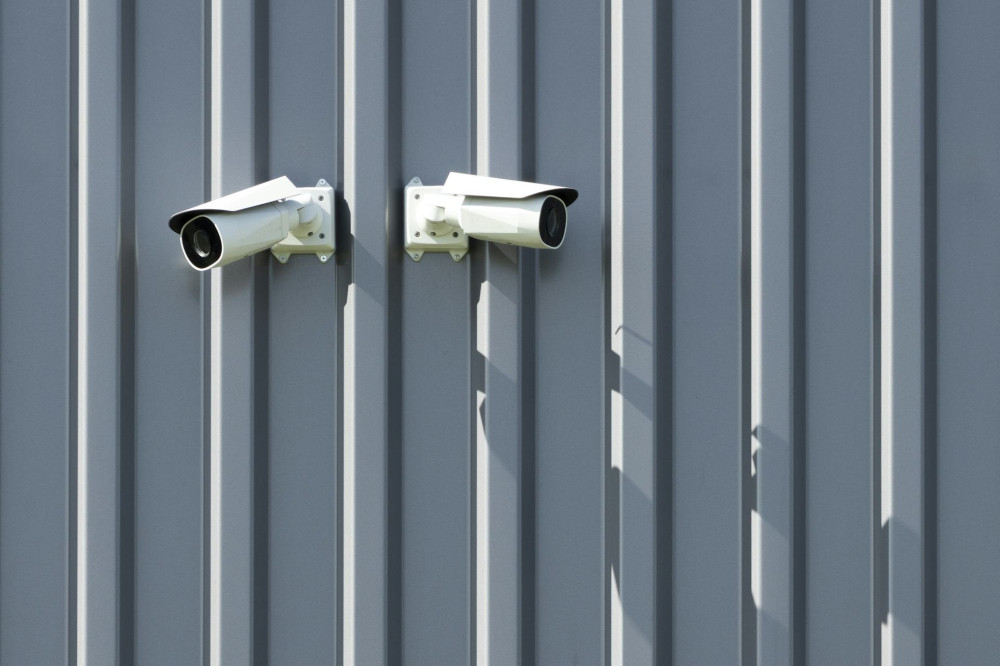
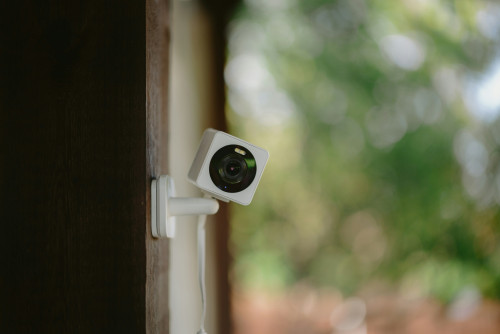
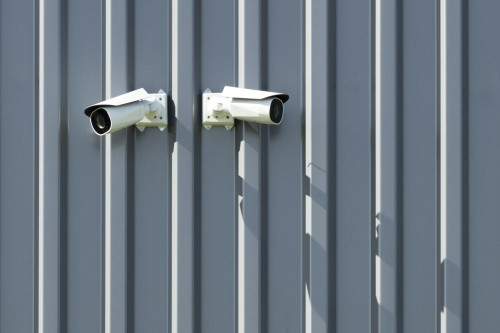
- Outdoor cameras – built to withstand Canadian weather, often with night vision and motion detection. Ideal for entrances, driveways, and backyards.
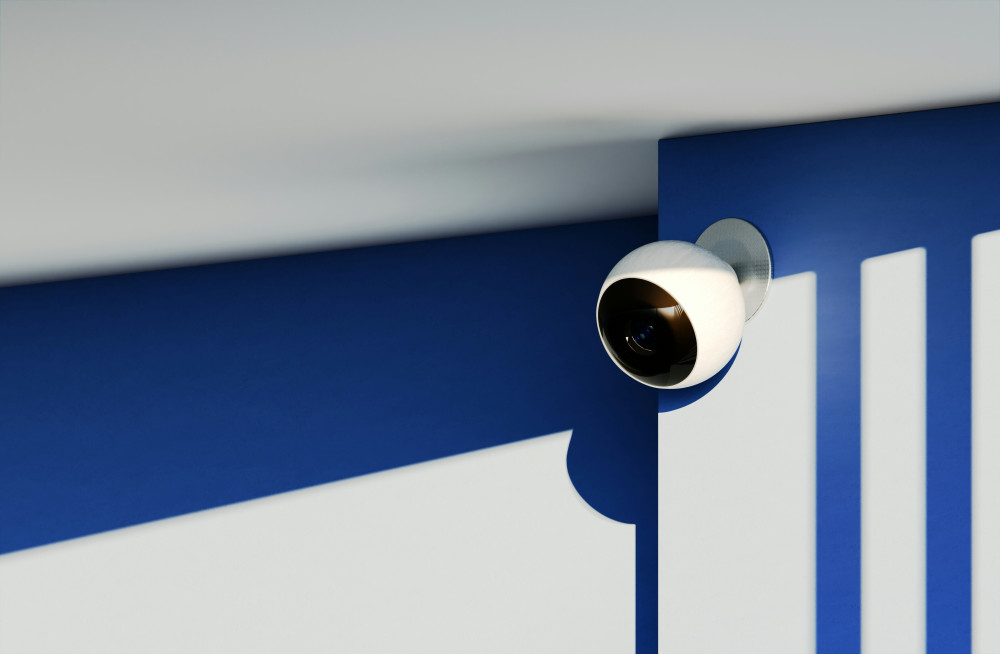
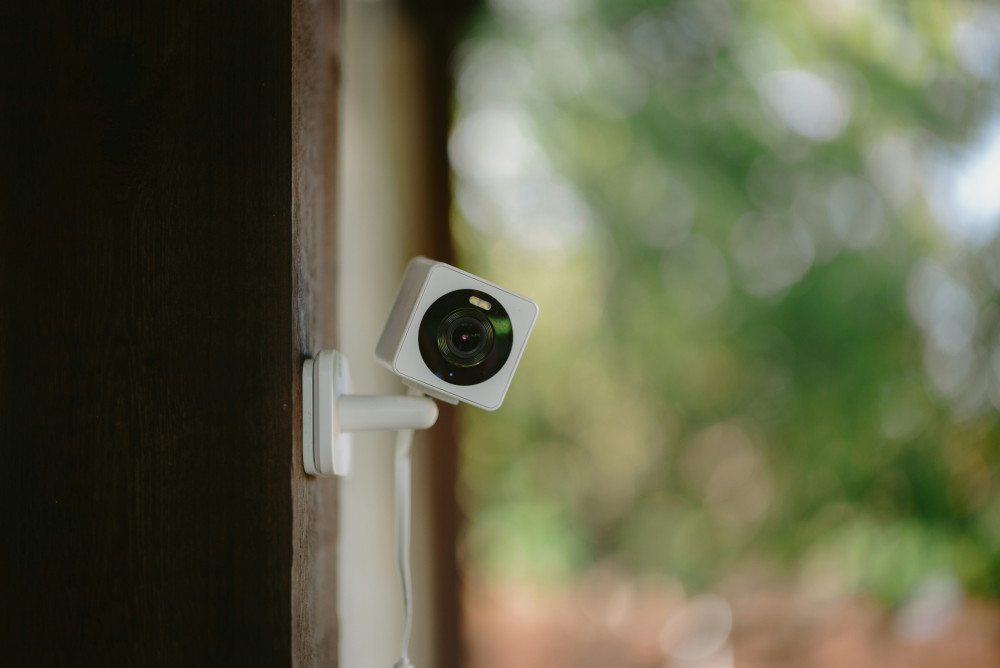
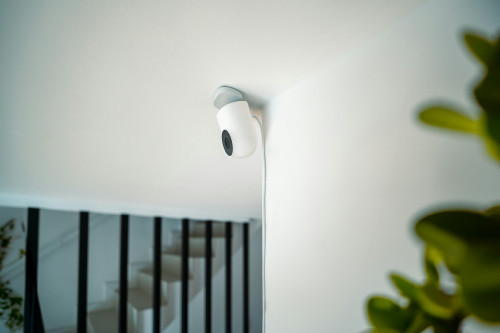
- Indoor cameras – compact and discreet, sometimes with two-way audio so you can talk to family members or pets through the app.
- Video doorbells – show you who’s at the door and let you respond, even when you’re not home.
- Motion and sound sensors – detect unusual activity and send alerts to your phone.
- Integrated alarm systems – combine cameras, sensors, and sirens into one system that can be managed through a single app.
Many systems can also connect with other smart home devices — such as lights, locks, and thermostats — giving you a complete overview of your home’s security and comfort.
Choosing the Right System
When selecting a surveillance system, start by considering your needs and the layout of your home. Think about:
- Purpose – do you mainly want to deter intruders, or also keep an eye on daily activities?
- Placement – identify vulnerable areas like doors, windows, or garages.
- Recording and storage – some systems store footage in the cloud, while others use local storage. Check how long recordings are kept and whether there are subscription fees.
- Ease of use – choose a system that matches your comfort level with technology.
- Security – ensure the system uses encryption and strong passwords to protect your data from unauthorized access.
If you’re new to home surveillance, consider starting with one or two cameras and expanding as you learn what works best for your household.
Privacy and Legal Considerations in Canada
Home surveillance is legal in Canada, but there are important privacy rules to follow. You can record on your own property, but not public spaces such as sidewalks or streets. If you live in a condo or apartment building, you may need permission from the property management or condo board before installing cameras in shared areas.
Recordings should only be used for their intended purpose — typically security — and deleted when no longer needed. If you share footage with the police, it should be in connection with a specific incident.
It’s also courteous to inform visitors that your property is under surveillance, for example by posting a small sign near your entrance.
Making Surveillance Part of a Safer Home
Home surveillance should be seen as one part of a broader safety strategy. Combine it with sturdy locks, outdoor lighting, and good relationships with your neighbours. A camera can alert you when something happens, but prevention is often the most effective protection.
Remember, surveillance isn’t just about security — it’s about peace of mind. Knowing that your home is safe and sound allows you to relax, whether you’re at work, on vacation, or simply out for a walk.
Læs også: