Daylight as a Sustainable Resource in Modern Architecture


Daylight as a Sustainable Resource in Modern Architecture
Daylight is one of the most abundant yet underutilized resources in modern architecture. It is free, renewable, and proven to enhance both human well-being and building performance. As sustainability and occupant comfort become central to architectural design, the role of natural light is gaining renewed attention. But how can architects harness daylight effectively—balancing energy efficiency, comfort, and aesthetics in Canada’s diverse climate?
Daylight as an Energy and Comfort Resource
When used wisely, daylight can significantly reduce the need for artificial lighting, lowering electricity consumption and greenhouse gas emissions. At the same time, natural light contributes to a healthier and more pleasant indoor environment. Studies show that people working or studying in well-lit spaces experience higher productivity, better sleep quality, and improved mental health.
However, daylighting is not simply about maximizing sunlight. Too much direct sun can cause glare and overheating, especially in southern regions or during summer months. In colder climates, such as much of Canada, the challenge is often the opposite—capturing enough light and warmth during short winter days. The sustainable solution lies in balance: designing buildings that harmonize light, heat, and comfort throughout the year.
Architecture with Light as a Design Parameter
In contemporary architecture, daylight is no longer an afterthought but a key design parameter. Architects and engineers now integrate daylighting strategies from the earliest design stages. The building’s orientation, window placement, and room depth all influence how light moves through interior spaces over the course of the day and across the seasons.
- North-facing windows provide consistent, diffuse light ideal for studios and workspaces.
- South-facing windows capture more sunlight and passive heat, valuable in colder regions but often requiring shading in summer.
- Skylights and light wells bring daylight deep into the building’s core, reducing reliance on artificial lighting.
- Reflective surfaces and light-coloured materials help distribute light evenly and create a sense of spaciousness.
By combining these strategies, architects can design buildings that are both visually appealing and energy-efficient—tailored to Canada’s varied daylight conditions from Vancouver to St. John’s.
Læs også:



Technology and Simulation Tools
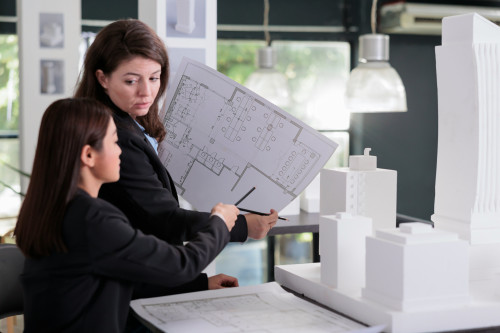
Digital tools have revolutionized how architects work with daylight. Advanced simulation software can model the sun’s path and predict light levels throughout the year, allowing designers to optimize window size, glazing type, and shading systems. This precision helps ensure that buildings make the most of natural light while minimizing energy use.
Emerging technologies are also transforming how daylight is managed. Dynamic façades, automated blinds, and electrochromic glass can adjust transparency in response to sunlight intensity or user preferences. These innovations make daylighting more adaptive, efficient, and comfortable—especially in buildings with changing occupancy patterns, such as offices or schools.
Health and Well-Being in Focus
As Canadians spend more time indoors, the quality of light in our built environments becomes increasingly important. Daylight influences our circadian rhythms, mood, and concentration. In workplaces, classrooms, and homes, thoughtful daylight design can enhance learning, productivity, and overall well-being.
Buildings that prioritize daylight often feel more open, vibrant, and welcoming. This is not just an energy issue—it’s about creating spaces that support human health and happiness.
The Future of Sustainable Building
Daylight is a resource that never runs out and contributes to environmental, economic, and social sustainability. The future of Canadian architecture will increasingly be measured by how effectively it integrates natural forces—especially sunlight—into design.
By considering daylight from the very beginning of a project, we can create buildings that consume less energy, promote well-being, and enrich architectural expression. It is an investment in both people and the planet—and one of the most natural steps toward a more sustainable built environment.
Læs også: