Concrete Roof Weight – How It Affects Transport and Installation

Concrete Roof Weight – How It Affects Transport and Installation
Concrete roofing is valued for its strength, durability, and timeless appearance – but also known for its substantial weight. While lighter materials like metal or asphalt shingles can be handled with minimal equipment, concrete roof tiles require more planning when it comes to both transport and installation. The weight affects everything from logistics and lifting equipment to the structural capacity of the roof. Here’s an overview of how the weight of a concrete roof influences the process – and what Canadian homeowners and builders should keep in mind.
How Heavy Is a Concrete Roof?
Concrete roof tiles are among the heaviest roofing materials available. A single tile typically weighs between 9 and 11 pounds, and a finished roof can weigh around 800–1,000 pounds per 100 square feet (roughly 40–50 kilograms per square metre). For a typical Canadian home of 1,600 square feet, that means several tons of roofing material.
This weight isn’t necessarily a drawback. In fact, it contributes to the roof’s stability and resistance to strong winds and harsh weather. However, it does place demands on both the roof structure and the way the materials are handled during transport and installation.
Transport: Planning and Logistics
When transporting concrete roof tiles, weight is a key consideration. A truck can only carry a limited number of pallets, so multiple deliveries may be required compared to lighter roofing materials. This can increase transportation costs and coordination needs.
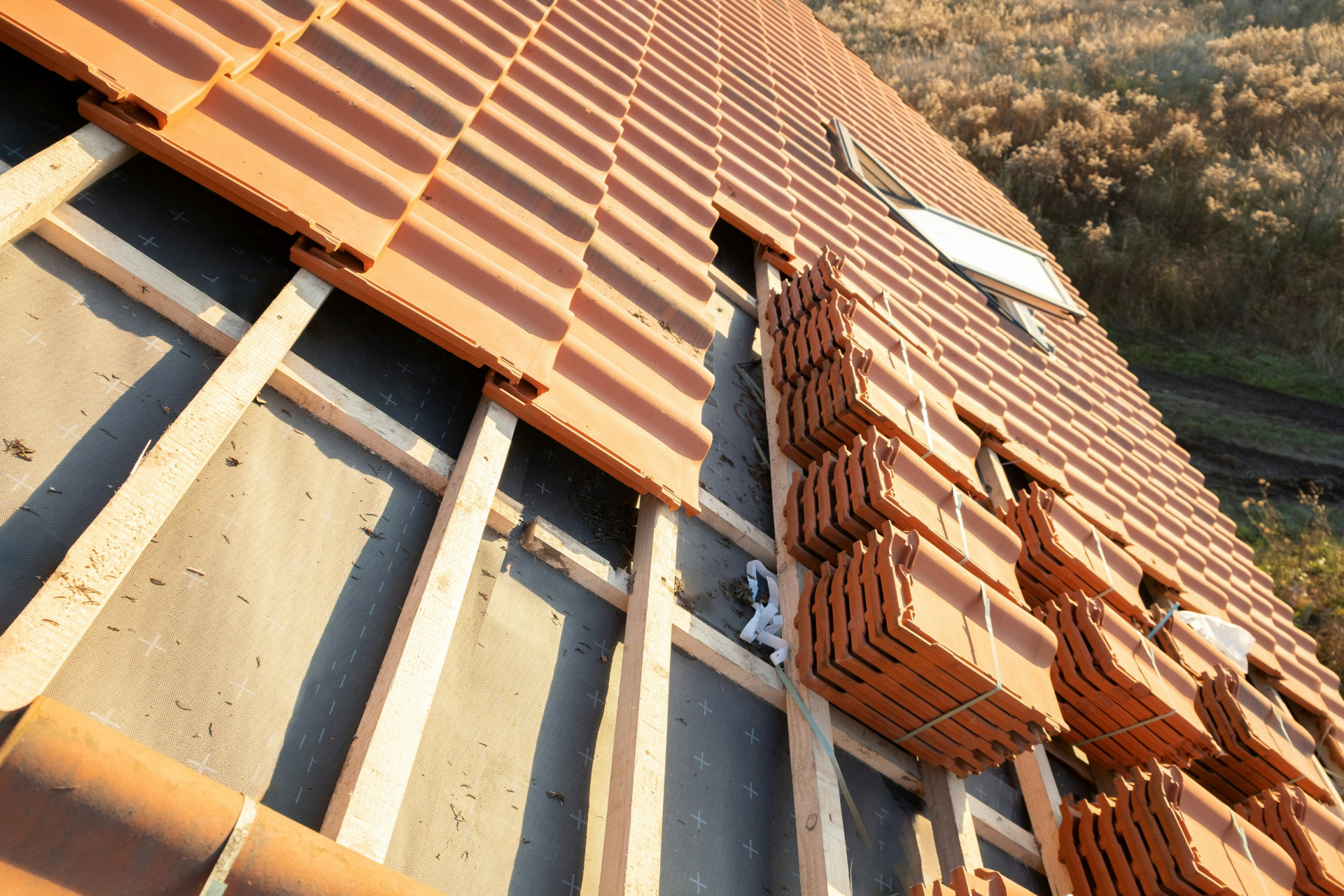
Tiles are usually packed tightly on pallets to prevent movement during transit. On-site, it’s important to have a level, solid surface for unloading. Many Canadian suppliers offer delivery with a boom truck or crane, allowing pallets to be lifted directly onto scaffolding or the roof deck. This approach saves time and reduces manual handling, which is especially important on residential sites with limited access.
Installation: Strength and Precision Required
Installing a concrete roof requires experience and the right equipment. The heavy tiles must be handled carefully to avoid breakage, and lifting equipment such as cranes or hoists is often used. Because of the weight and precision required, this is rarely a do-it-yourself project. Professional roofers familiar with concrete tiles can ensure proper alignment, fastening, and weatherproofing.
The roof structure must be engineered to support the total load – including the weight of the tiles, underlayment, and potential snow accumulation. In many parts of Canada, snow loads can be significant, so consulting a structural engineer is essential, especially when replacing a lighter roof with concrete tiles on an existing home.
Læs også:


Advantages of a Heavy Roof
While the weight can seem like a challenge, it also brings clear benefits. A heavy roof sits firmly on the structure, making it less vulnerable to wind uplift and storm damage – a valuable feature in regions prone to high winds or coastal weather. Concrete tiles also provide excellent sound insulation, reducing noise from rain, hail, and nearby traffic.
The thermal mass of concrete helps regulate indoor temperatures by absorbing and slowly releasing heat. In well-insulated Canadian homes, this can contribute to a more stable indoor climate and potentially lower heating and cooling demands.
Drawbacks and Practical Considerations
The main drawback of a concrete roof’s weight is the additional structural and handling requirements. A heavy roof demands a strong framework and solid foundation, which can increase construction costs. For renovations, reinforcing the existing roof structure may be necessary before installation.
The added weight also makes installation more time-consuming and requires strict safety measures on site. For these reasons, most homeowners choose to have both transport and installation handled by professional roofing contractors with experience in concrete systems.
Planning a Concrete Roof Project
If you’re considering a concrete roof, it’s wise to account for the weight early in the planning phase. Here are a few key steps:
- Get a structural assessment to confirm that your roof can support the load.
- Coordinate delivery with your contractor to ensure pallets are placed efficiently.
- Ensure site access for cranes or boom trucks to reach the roof area.
- Schedule installation in dry conditions, as wet tiles become even heavier and more slippery to handle.
With proper planning, a concrete roof can be installed efficiently and safely – resulting in a long-lasting, low-maintenance solution.
A Heavy Roof Built to Last
The weight of a concrete roof is both a challenge and an advantage. It requires careful planning for transport and installation, but in return, you get a roof that stands firm in all kinds of Canadian weather and can last 50 years or more. For many homeowners, it’s an investment in security, durability, and lasting value – a solid roof that stays exactly where it belongs.
Læs også: