Cavity Wall Insulation Explained: When and Why It Pays to Upgrade Your Insulation


Cavity Wall Insulation Explained: When and Why It Pays to Upgrade Your Insulation
When heat escapes through your walls, you feel it both in comfort and on your energy bills. Cavity wall insulation is one of the most effective and affordable ways to improve your home’s energy efficiency—especially in older houses. But when does it make sense to upgrade, and what should you consider before getting started? Here’s a clear explanation of how cavity wall insulation works and why it can be a smart investment for Canadian homeowners.
What Is Cavity Wall Insulation?
Many brick or block homes built from the 1940s through the 1980s in Canada were constructed with cavity walls—two layers of masonry separated by an air gap. The original purpose of this gap was to prevent moisture from penetrating the inner wall, but it also allows heat to escape more easily.
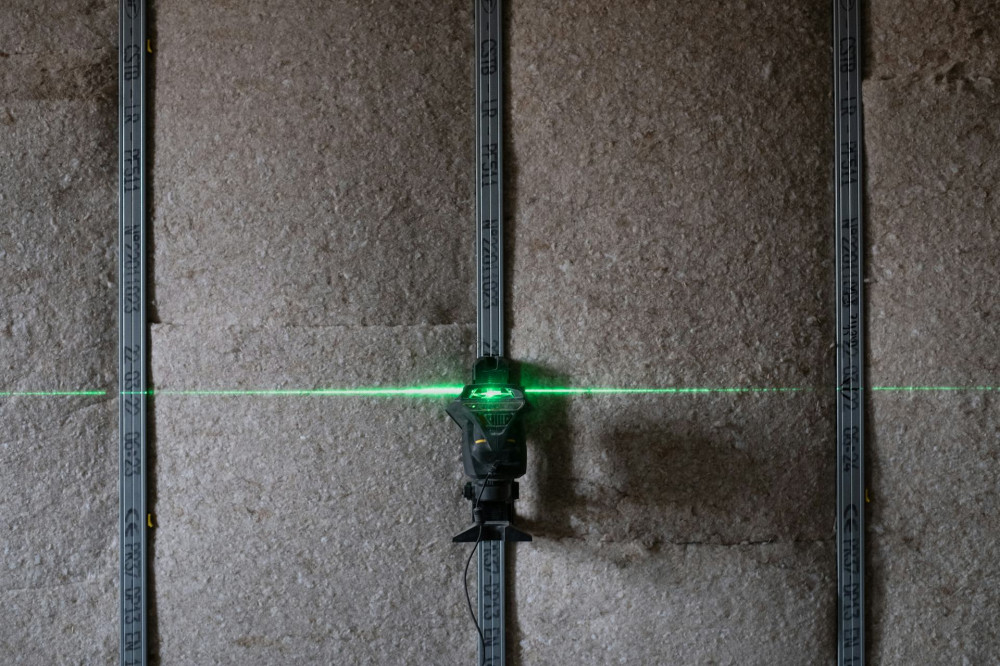
Cavity wall insulation involves filling that gap with an insulating material that reduces heat loss. The material—such as mineral wool, polystyrene beads, or cellulose fibre—is blown into the cavity through small holes drilled in the mortar joints. The process is quick, usually completed in a single day, and requires no major disruption to your home.
When Does It Make Sense to Upgrade?
Whether cavity wall insulation is worthwhile depends on your home’s age, construction, and current insulation levels. As a general rule, it’s worth considering if:
- Your home was built between the 1940s and 1980s and hasn’t been upgraded since.
- You notice cold or damp walls, drafts, or uneven room temperatures.
- Your heating bills are high relative to your home’s size.
An energy advisor or insulation contractor can inspect your walls to determine if they have unfilled cavities and whether they’re suitable for insulation. In many cases, the investment pays for itself within 3–6 years through lower heating costs.
Læs også:


Benefits of Cavity Wall Insulation
There are several compelling reasons to consider upgrading your wall insulation:
- Lower heating costs: You can typically save 10–25% on your home’s heating energy use.
- Improved comfort: Warmer walls reduce drafts and cold spots, making rooms feel cozier.
- Reduced carbon footprint: Lower energy consumption means fewer greenhouse gas emissions.
- Increased property value: Better energy performance can make your home more attractive to buyers.
For many homeowners, it’s one of the most cost-effective energy upgrades available.
Common Insulation Materials
Several materials can be used to insulate cavity walls, and the best choice depends on your wall type, local climate, and environmental preferences.
- Mineral wool (glass or rock wool): A durable, fire-resistant option with excellent insulating properties.
- EPS beads (expanded polystyrene): Lightweight, moisture-resistant, and ideal for older masonry walls.
- Cellulose fibre: An eco-friendly option made from recycled paper, treated for fire and pest resistance.
A professional installer can recommend the most suitable material for your home’s structure and location.
Moisture and Ventilation Considerations
One of the main concerns with cavity wall insulation is moisture. If your exterior walls already have issues with water penetration, adding insulation could worsen the problem. Before installation, have your contractor check for cracks, damaged mortar, or faulty eavestroughs and repair them as needed.
After insulating, ensure your home has adequate ventilation. Because insulation reduces heat loss, indoor humidity can build up more easily if you don’t air out your home regularly. Proper ventilation helps prevent condensation and maintains healthy indoor air quality.
How the Installation Works
The process is straightforward:
- The installer drills small holes in the mortar joints of the exterior wall.
- The insulation material is blown into the cavity under pressure.
- The holes are sealed with mortar that matches the wall colour.
For a typical detached home, the work takes half a day to a full day, and you can stay in your home during the process. You’ll likely notice the difference right away—warmer walls and a more stable indoor temperature.
Cost and Incentives
The cost of cavity wall insulation in Canada varies depending on the size of your home and the material used, but it generally ranges from about $2,000 to $5,000. Compared to other energy upgrades, such as replacing windows or roofing, it’s a relatively modest investment.
You may also be eligible for government rebates or energy efficiency grants, such as those offered through the Canada Greener Homes Initiative or provincial programs. These incentives can significantly reduce your out-of-pocket costs and shorten the payback period.
A Small Upgrade with a Big Impact
Cavity wall insulation is one of the simplest yet most effective ways to improve your home’s energy performance. It requires minimal effort, delivers immediate comfort, and can lead to long-term savings. For many Canadian homeowners, it’s an easy first step toward a warmer, more energy-efficient, and environmentally friendly home.
Læs også: